Our stones
Cubic Zirconia, Moissanite and the Other Stones We Use
What cubic zirconia, moissanite, created opal and larimar are, how hard each one is, how they age, and how to tell which one a design from the Gemsme range piece uses.
Published 19 September 2026 · Prices updated 19 September 2026
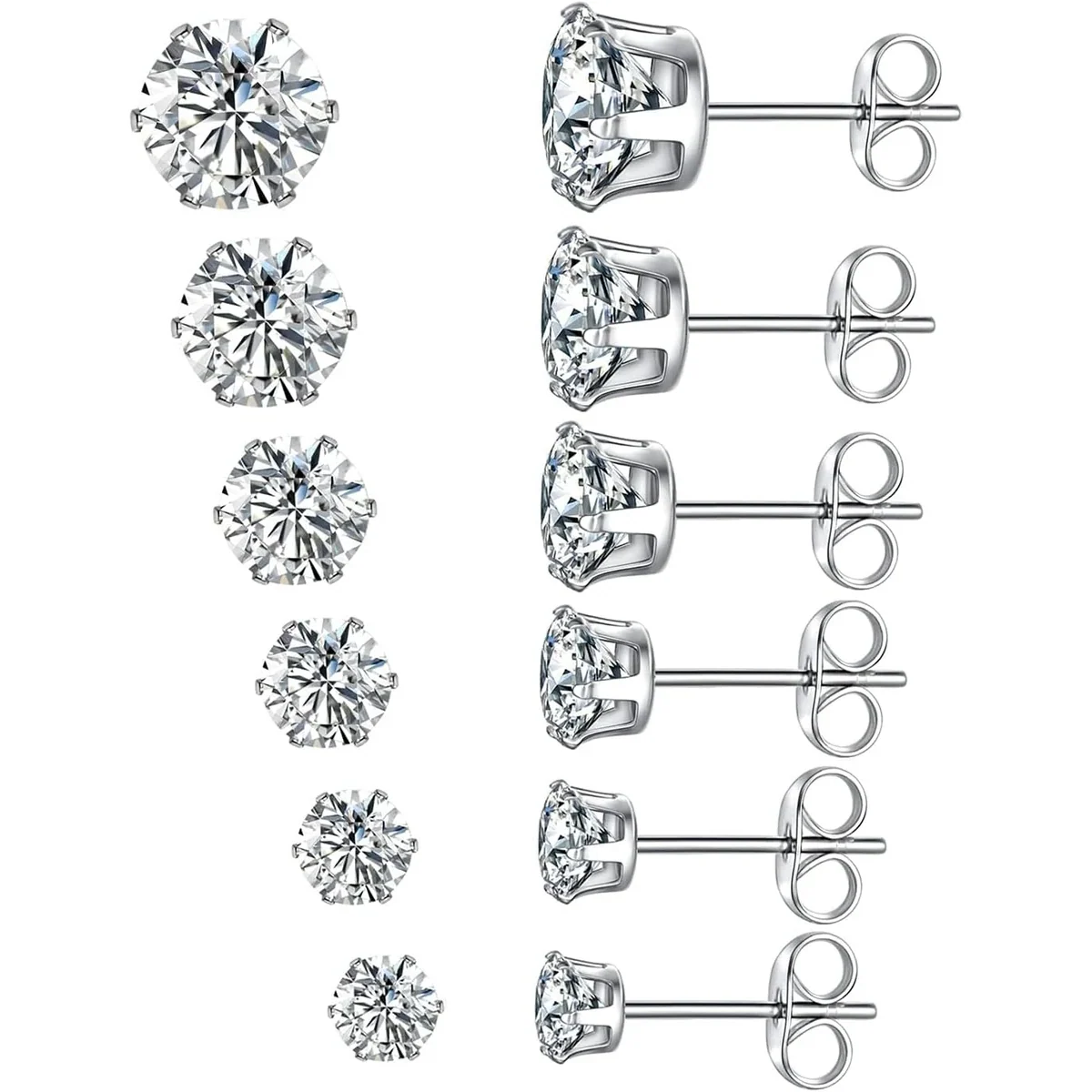
Cubic zirconia sits in almost everything the Gemsme studio designs. A few designs carry moissanite, created opal, natural larimar or moonstone. None of them is diamond, and the page for each design says which stone it holds.
Here is what each stone is, in the words of the Gemological Institute of America where it matters, and what that means when you wear it.
| Stone | Gemsme pieces | Mohs hardness | What to know |
|---|---|---|---|
| Cubic zirconia | 128 | 8.5 | Lab-made and bright. It scratches more easily than diamond, and a clear stone can yellow over the years. |
| Moissanite | 2 | 9.25 | Lab-grown silicon carbide. Harder than CZ and shows more fire, which some people notice as rainbow flashes. |
| Created opal | 5 | Not rated here | Grown, not mined. Softer than the stones above, so keep it away from knocks and hard cleaners. |
| Larimar | 5 | Not rated here | A natural blue stone from the Dominican Republic. Each one is patterned differently, and it is soft, so treat it gently. |
Cubic zirconia: lab-made, bright, affordable
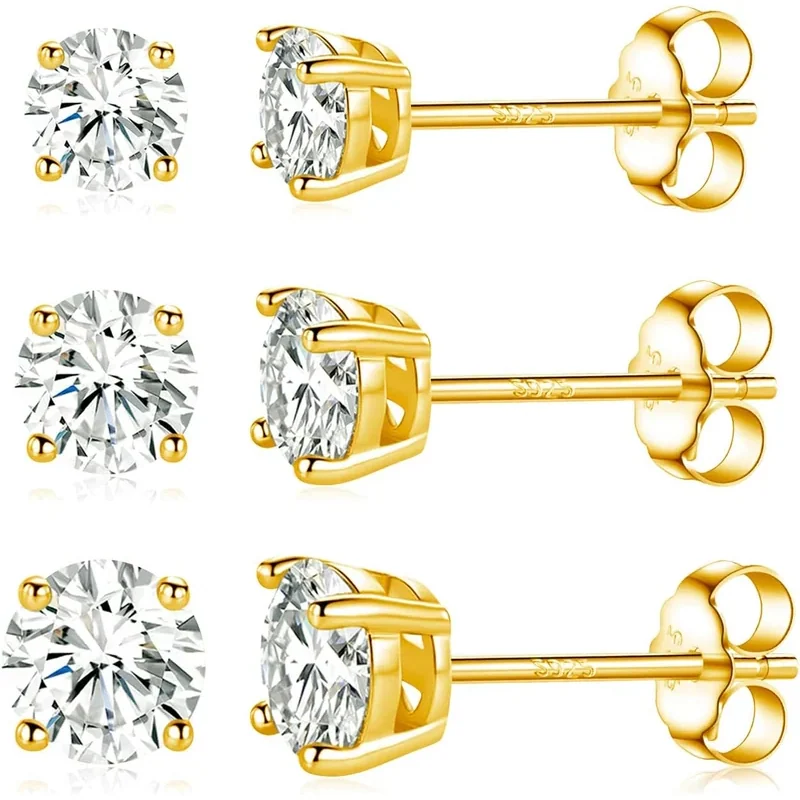
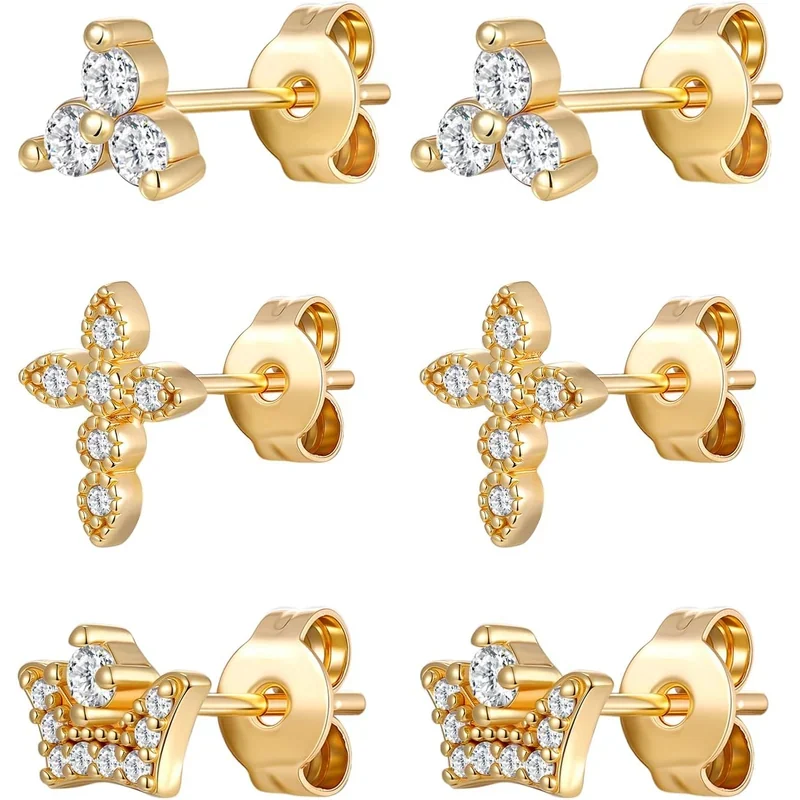
People make cubic zirconia in a lab, nobody mines it. Cutters give it the same brilliant facets as a fine stone, so it throws a lot of light for its price. That is why it sits in most of our tennis bracelets, studs and rings.
Many of the most popular diamond simulants today, such as cubic zirconia and moissanite, are synthetic stones manufactured in laboratories.
It has limits, and we would rather you hear them from us. It scratches more easily than diamond, and a clear stone can take on a yellow tint over years of wear. For a piece you wear every day at this price, that trade is usually worth it.
Cons: CZ scratches more easily than diamond and has less brilliance.
-
Rose gold
Stud Earring Set, Five and Six Pairs
From $10.704.7(10,403)4.7 out of 5, 10,403 ratings10 options
See the Metals -
White gold / 3-7mm
Round and Square Stud Set
From $10.714.5(4,622)4.5 out of 5, 4,622 ratings6 options
See the Metals -
White gold / Small
Chunky Moon Studs
$14.995.0(1,658)5.0 out of 5, 1,658 ratings2 options
See the Metals -
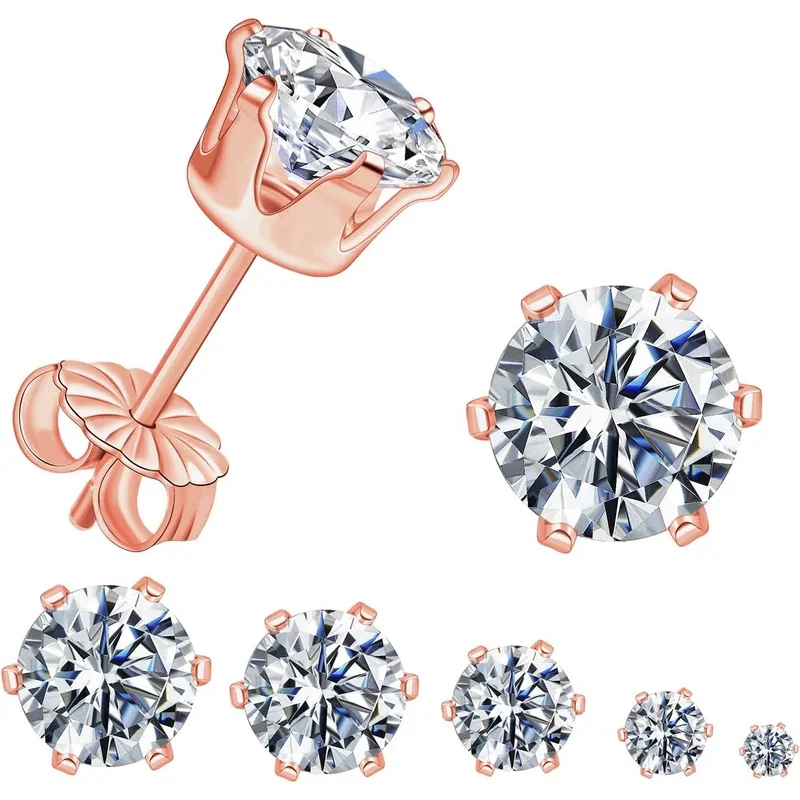
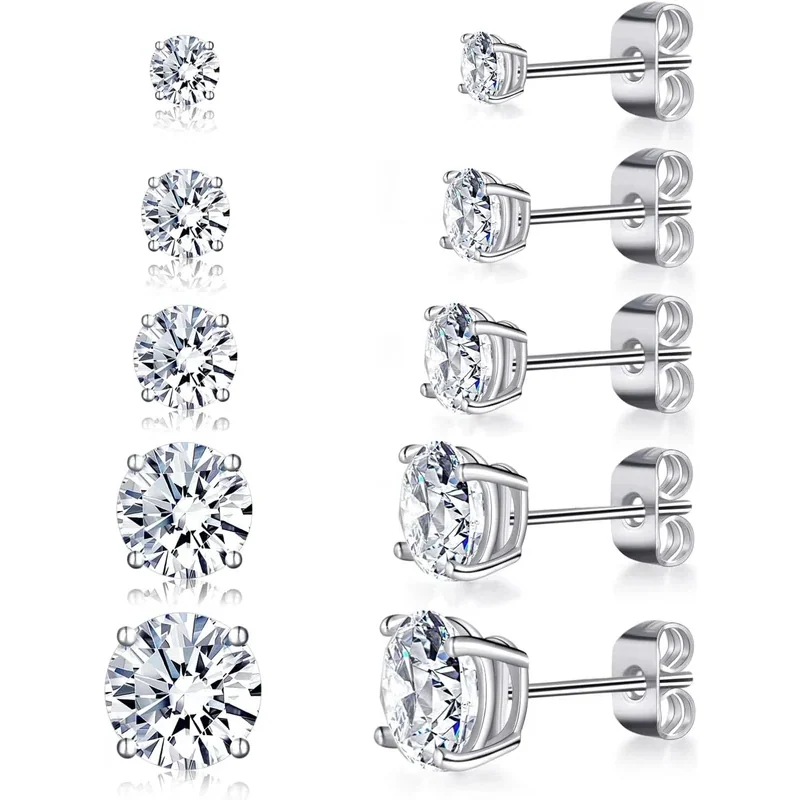
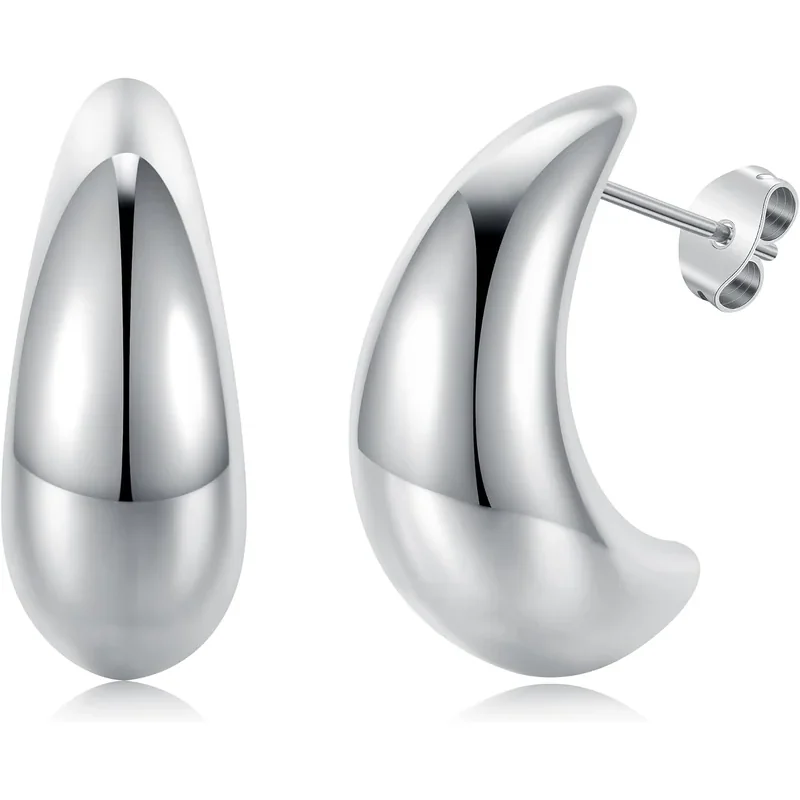
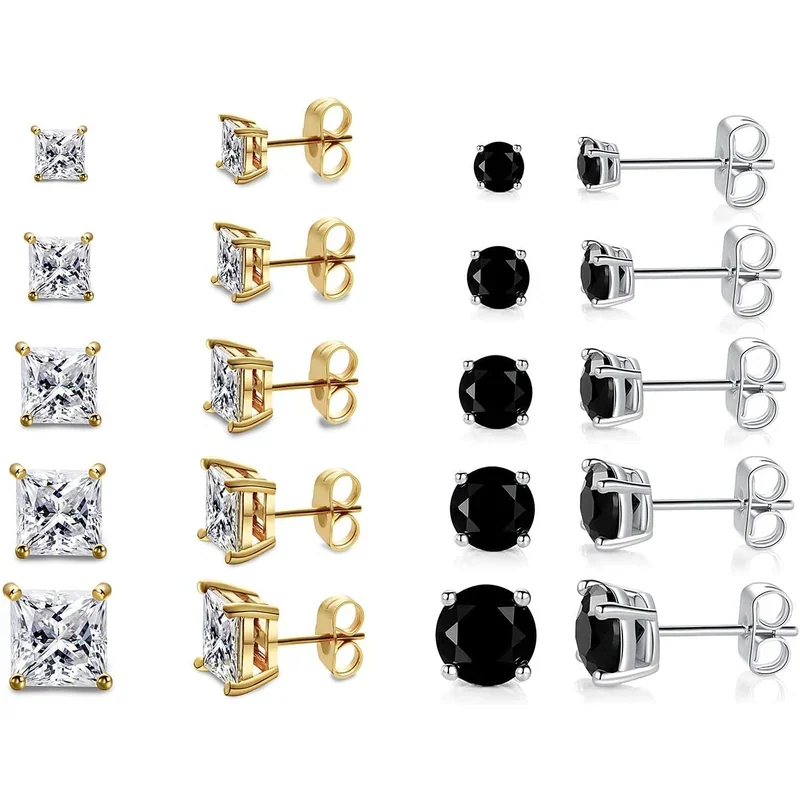
The yellowing is slow, and a soft wipe keeps the sparkle up in the meantime. What dulls a stone faster is a film of lotion and soap on its back.
CZ will, however, yellow in color over time.
Moissanite: harder, with more fire
Moissanite is lab-grown silicon carbide. It rates 9.25 on the Mohs scale against 8.5 for cubic zirconia, so it holds its polish longer. It also shows more colored fire, and some people see that as rainbow flashes in sunlight. We use it in a few studs, bands and one tennis bracelet line, and those pages name it.
-
-
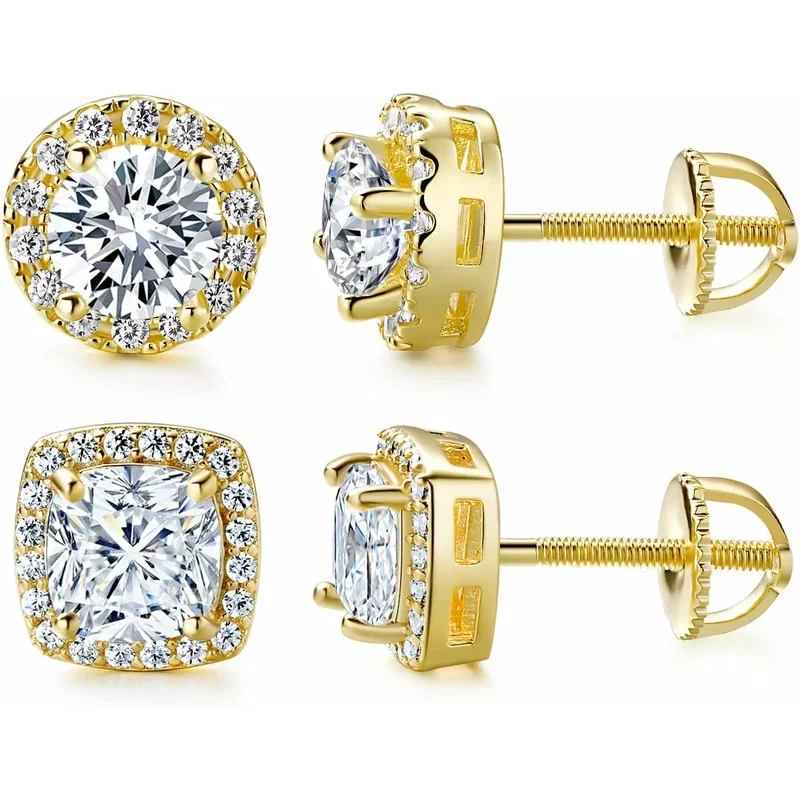
Gold / 6 Millimeters
Screw Back Studs, Two Pairs
$15.993.2(230)3.2 out of 5, 230 ratings See the Metals -
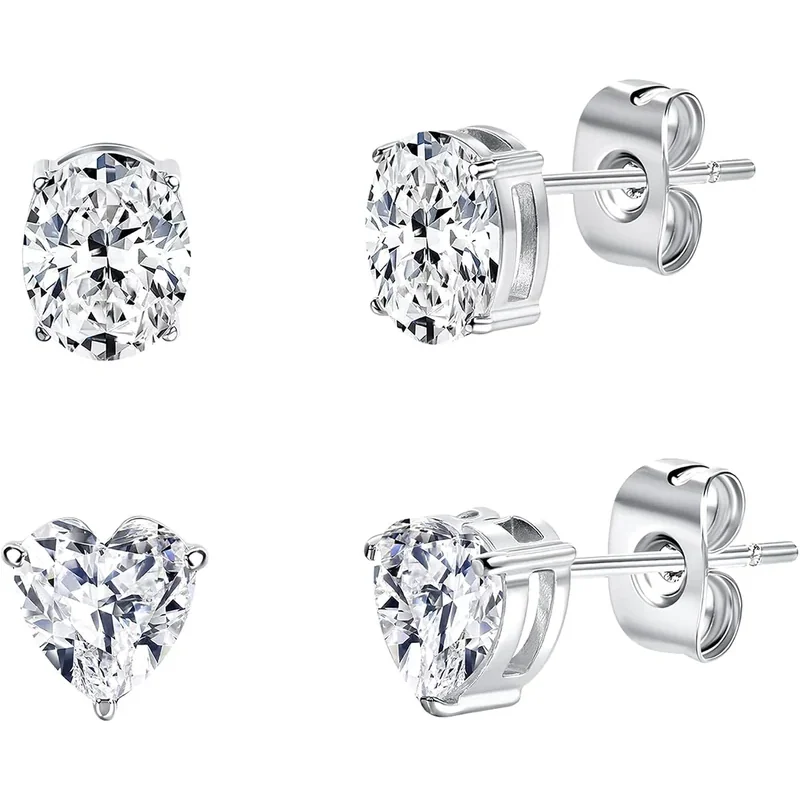
White gold / 5mm Heart Cut and 4x6mm Oval Cut
Heart and Oval Stud Pair
$9.994.9(60)4.9 out of 5, 60 ratings See the Metals -
White gold
Created Opal Stud Earrings
From $14.594.6(49)4.6 out of 5, 49 ratings4 options
See the Metals
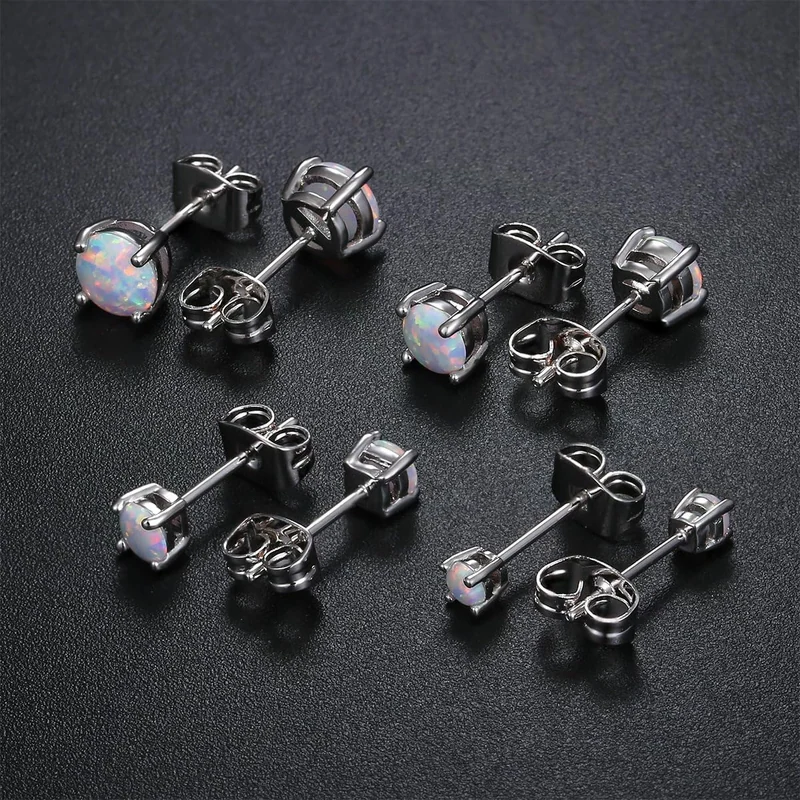
Created opal, larimar and moonstone
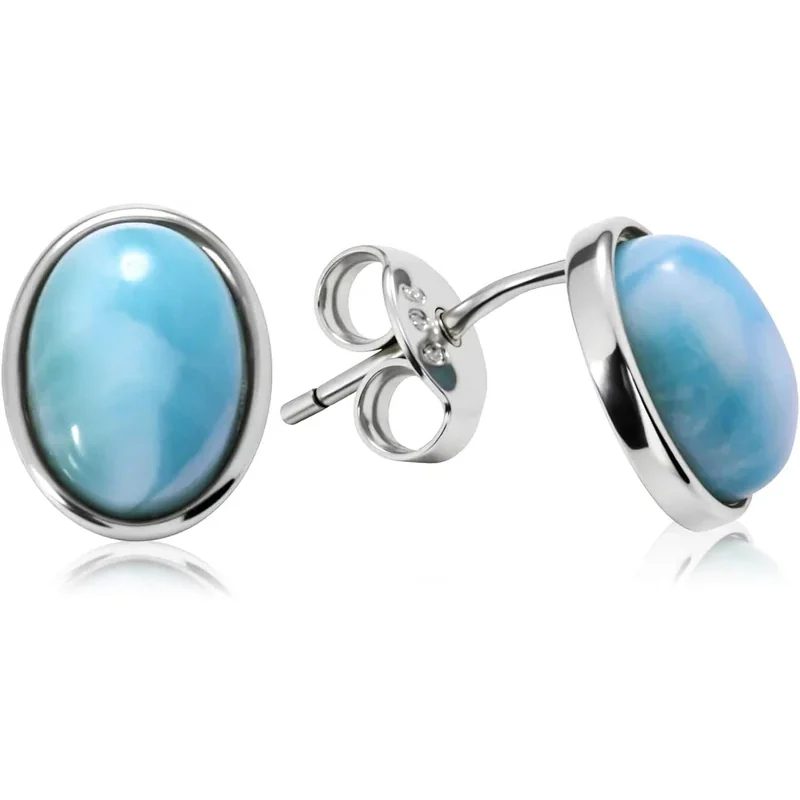
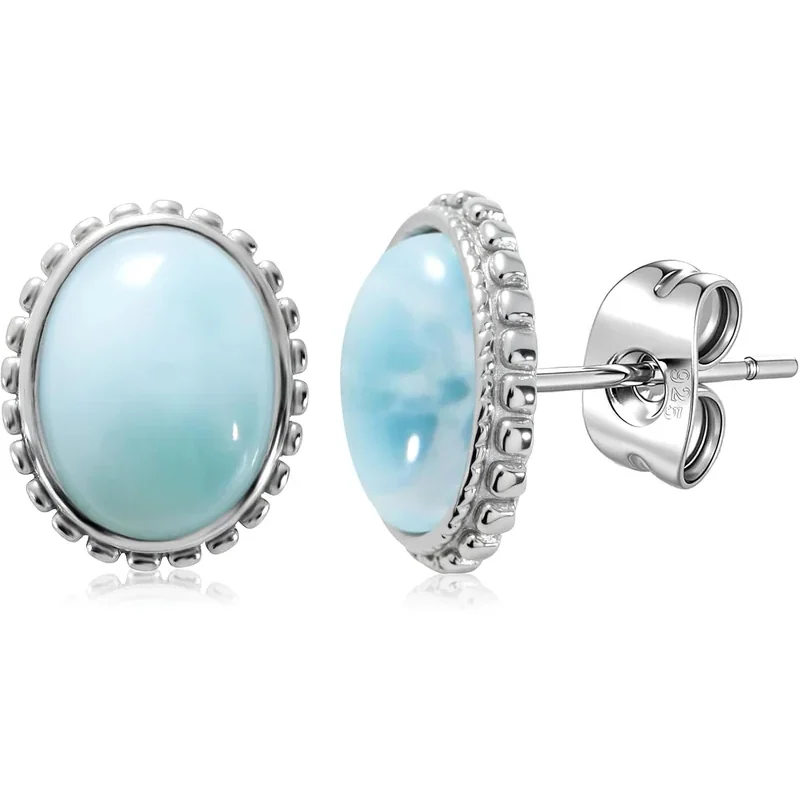
Our opal is created: a lab grows it, nobody mines it, and we call it created every time. Larimar is a natural blue stone, and no two pieces are patterned the same. Moonstone shows a soft glow under light. All three are softer than cubic zirconia, so they suit earrings and pendants better than rings you wear to the gym.
The use of the word "faux" to describe a laboratory-created or imitation stone is not an adequate disclosure that the stone is not a mined stone.
How to tell which stone you are looking at
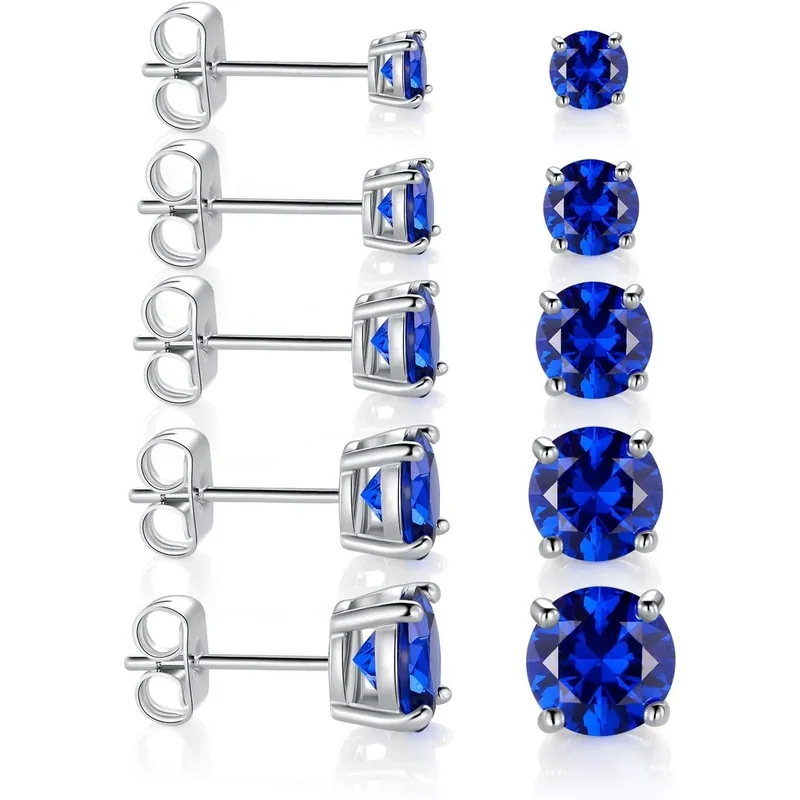
Read the Stone line in the facts on each piece. If it says cubic zirconia, it is cubic zirconia, whatever the color. A red stone in one of our bands is red cubic zirconia, not ruby, and a blue stud is blue cubic zirconia, not sapphire. Gem names belong to mined stones, and we keep them there.
-
-
White gold / 6x8mm
Larimar Stud Earrings
$23.194.4(1)4.4 out of 5, 1 ratings4 options
See the Metals -
-