Caring for plated jewelry
Almost everything in the Gemsme collection is 18K gold plated over brass, copper or sterling silver. Plating is a thin layer, and it lasts longer when you treat it as one. Here is what that means, what the rules say, and what to do if metal bothers your skin.
This page is general information, not medical advice. If a rash does not clear, a board-certified dermatologist is the person to ask.
What 18K gold plated means
Under FTC rules, gold plated jewelry has to carry the karat of its gold layer, so every Gemsme design says 18K or 14K. The layer is gold alloy. Everything under it is brass, copper or silver.
Use of the word "Gold" or any abbreviation to describe all or part of an industry product that is not composed throughout of gold or a gold alloy, but is surface-plated or coated with gold alloy, unless the word "Gold" or its abbreviation is adequately qualified to indicate that the product or part is only surface-plated.
Keeping the plate bright
Most wear comes from friction and chemicals: a desk edge, a watch strap, lotion, chlorine. You can slow all of it down with three habits.
- Last on, first offPut jewelry on after lotion, perfume and hairspray, and take it off before the gym, the pool and the shower.
- Wipe, then store dryWipe with a soft dry cloth after wearing. Store each piece in its own pouch so chains do not scratch plate.
- No dips, no polishSkip jewelry dips, toothpaste and polishing cloths meant for solid gold. They take the plate with the tarnish.
-
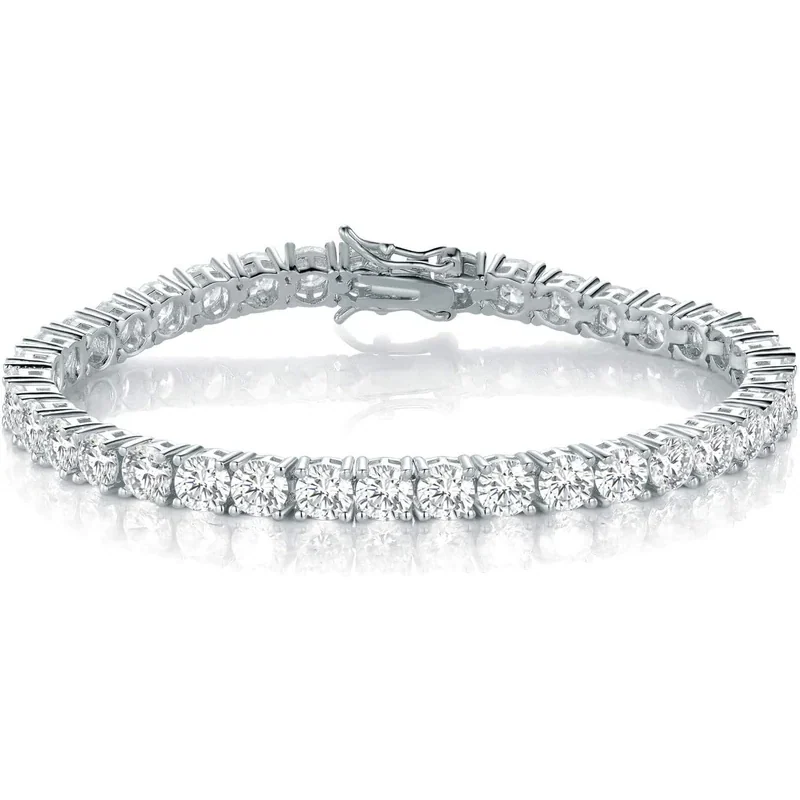
White gold / 7.5 Inch
4mm Classic Tennis Bracelet
$22.994.4(2,390)4.4 out of 5, 2,390 ratings See the Metals -
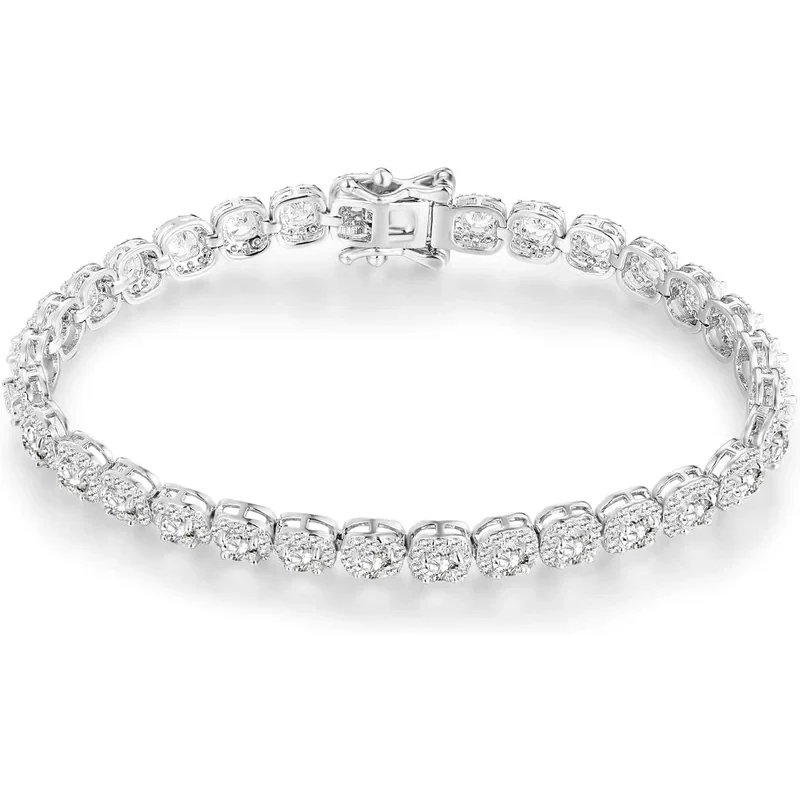
White gold / 6.5 Inch
3mm Square Halo Tennis Bracelet
$14.163.4(1,108)3.4 out of 5, 1,108 ratings See the Metals -
-
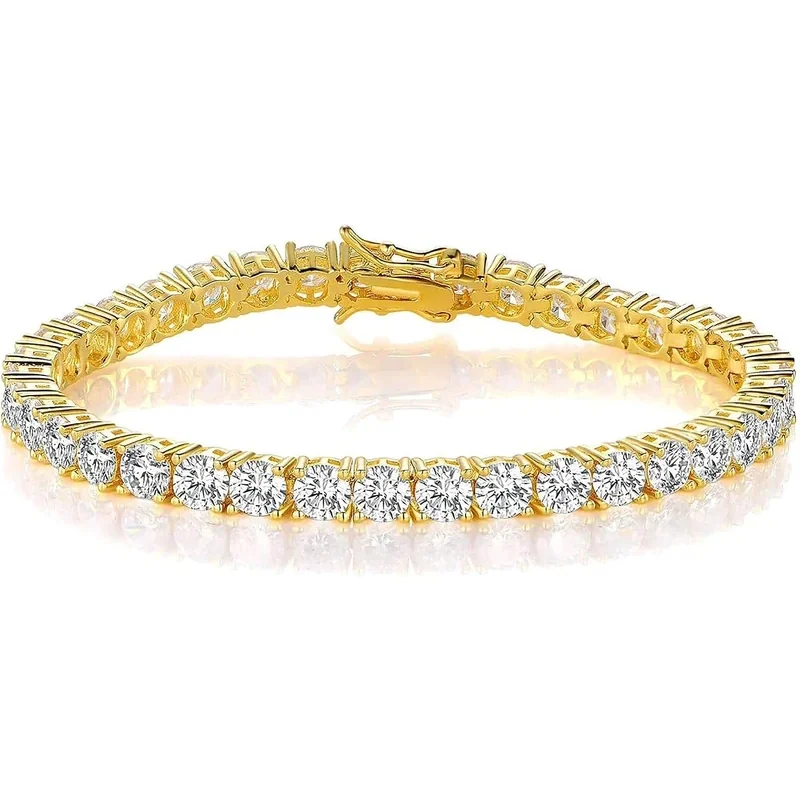
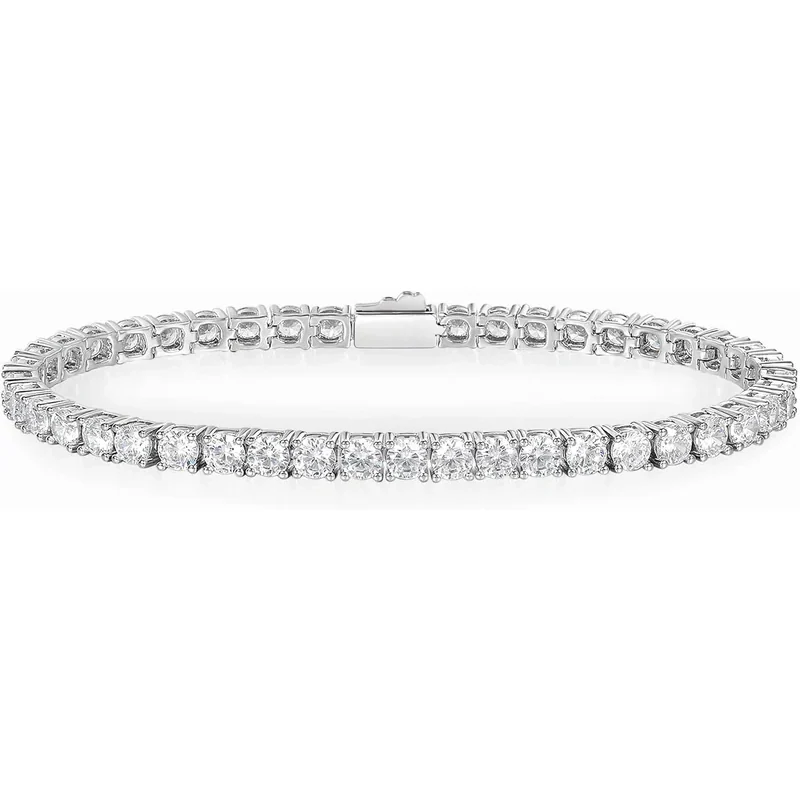
White gold / 6.5 Inch
4mm Iced Tennis Bracelet
$22.994.0(1,108)4.0 out of 5, 1,108 ratings2 options
See the Metals
If nickel bothers your skin
Nickel is one of the most common causes of a rash from jewelry. Dermatologists say earrings and their backs are among the worst offenders, so the post is the part to check first. On Gemsme pieces, look for posts named as 925 sterling silver or 316L steel.
To avoid exposure, only wear jewelry that is nickel-free, hypoallergenic, or made from metals such as surgical-grade stainless steel, 18-, 22-, or 24-karat yellow gold, pure sterling silver, or platinum.
- Watch the postsEarring posts and backs sit in the skin longest. Look for posts named as 925 sterling silver or 316L steel.
- Stop and seeIf a rash shows under a piece, stop wearing it. If the rash clears and returns when you wear it again, that metal is the likely cause.
- Ask a dermatologistA rash that blisters, gets infected or keeps coming back needs a dermatologist, not a new pair of earrings.
-
-
White gold
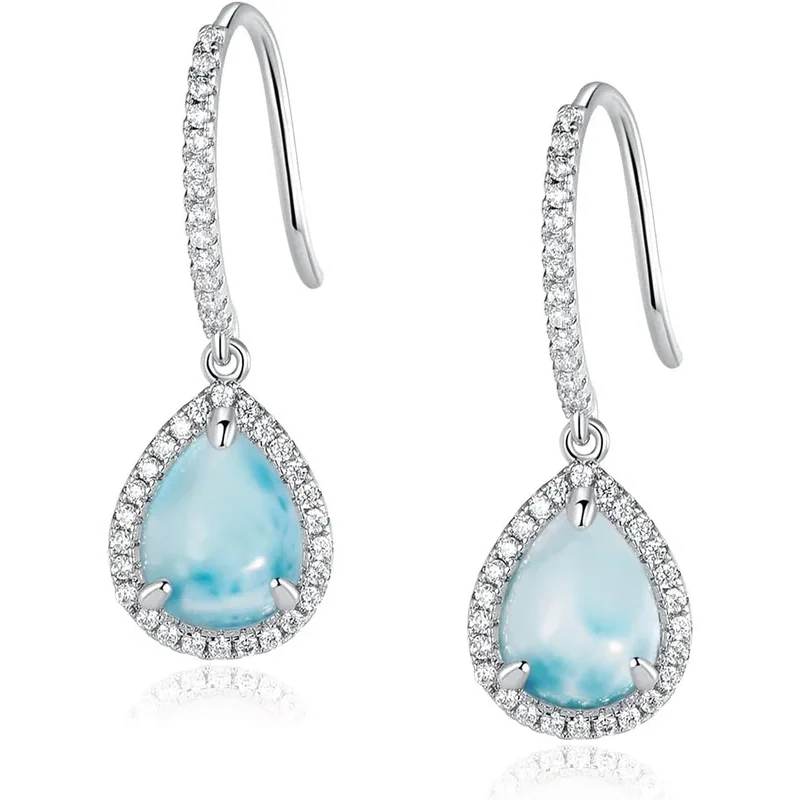
Larimar Teardrop Drop Earrings
$30.994.5(107)4.5 out of 5, 107 ratings2 options
See the Metals -
White gold
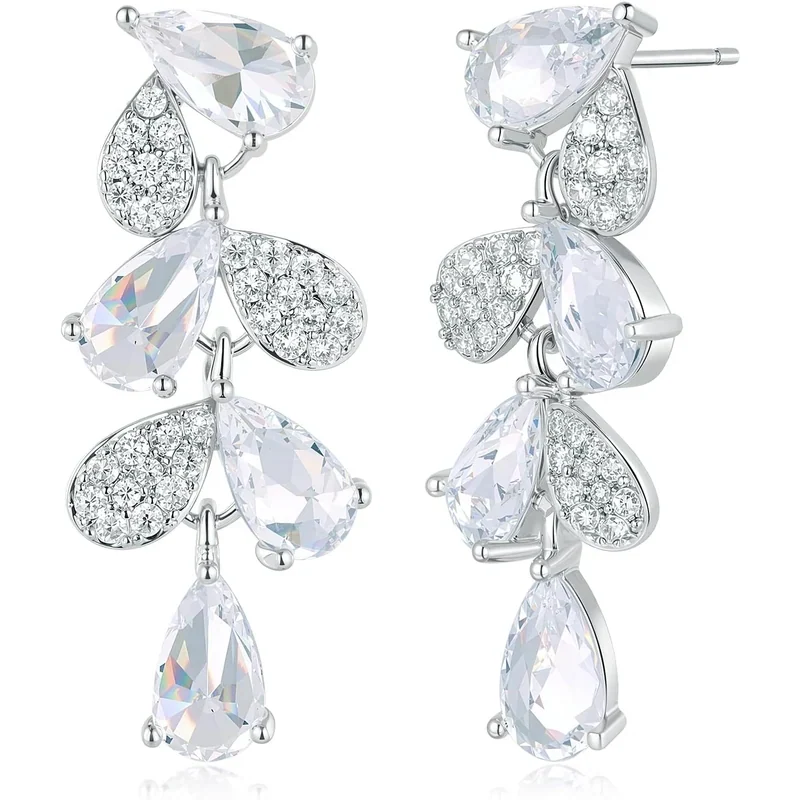
Bridal Drop Earrings
From $21.594.8(81)4.8 out of 5, 81 ratings8 options
See the Metals -
Cleaning the stones
Cubic zirconia can go dull under a film of soap and skin oil. Wipe it with a soft cloth dampened in warm water, then dry it at once so water does not sit on the plating. Skip ultrasonic cleaners for plated pieces, even though the stone itself can take one.