Care
Plated Jewelry and Sensitive Skin: What Helps
What 18K gold plated means under FTC rules, how to keep plating bright, and what dermatologists advise if nickel bothers your skin, with Gemsme pieces that use sterling or steel posts.
Published 19 September 2026 · Prices updated 19 September 2026
This guide is general information, not medical advice. If a rash does not clear, a board-certified dermatologist is the person to ask.
Most of the Gemsme collection is 18K gold plated over brass, copper or sterling silver. Plating gives you the color of gold at a fraction of the price. It also wears, and the metal underneath can matter if your skin reacts to some metals.
Here is what the rules say plating is, how to make it last, and what the American Academy of Dermatology suggests if you get a rash from jewelry.
Use of the word "Gold" or any abbreviation to describe all or part of an industry product that is not composed throughout of gold or a gold alloy, but is surface-plated or coated with gold alloy, unless the word "Gold" or its abbreviation is adequately qualified to indicate that the product or part is only surface-plated.
What 18K gold plated means on our pages
The FTC asks jewelers to qualify the word gold when a piece is only plated, and to give the karat of the plating. So every Gemsme design says 18K gold plated or 14K gold plated, never just gold. The layer is gold alloy. The base under it is named where we know it: brass, copper, 925 sterling silver or 316L stainless steel.
- Last on, first offPut jewelry on after lotion, perfume and hairspray, and take it off before the gym, the pool and the shower.
- Wipe, then store dryWipe with a soft dry cloth after wearing. Store each piece in its own pouch so chains do not scratch plate.
- No dips, no polishSkip jewelry dips, toothpaste and polishing cloths meant for solid gold. They take the plate with the tarnish.
Making the plating last
Plating wears by friction and by chemistry. The first spots to fade are the ones that rub: the clasp side of a bracelet, the palm side of a ring, the back of an earring. Chlorine, sweat, perfume and hand sanitizer speed that up.
Put jewelry on last and take it off first. Wipe it after wearing, and store each piece in its own pouch. Do not use a jewelry dip or a polishing cloth meant for solid gold. It takes the plate away with the tarnish.
-
-
-
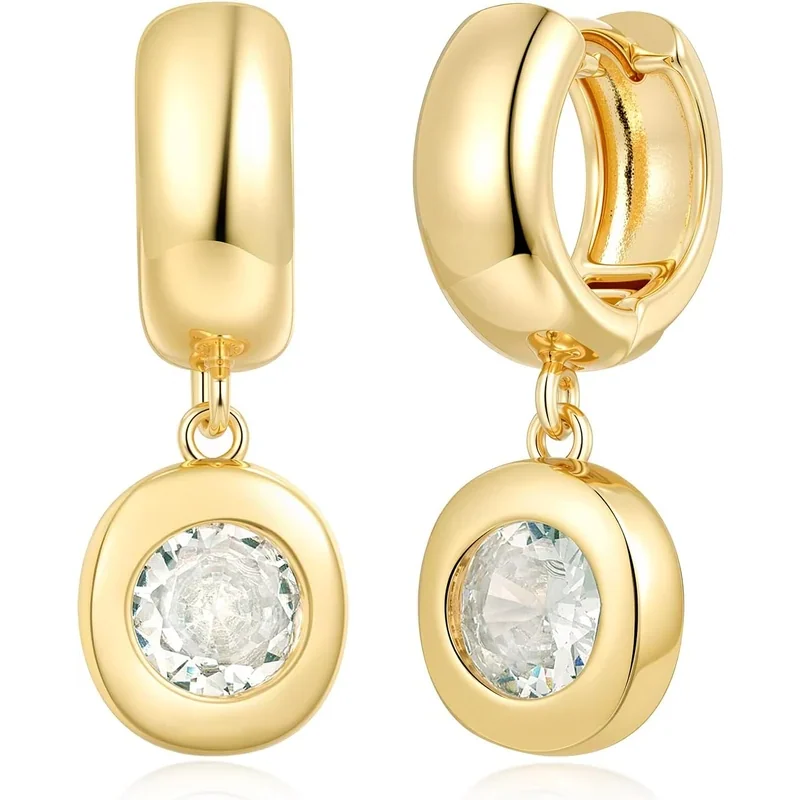
Gold / Medium
Chunky Round Hoop Drops
$15.994.4(448)4.4 out of 5, 448 ratings2 options
See the Metals -
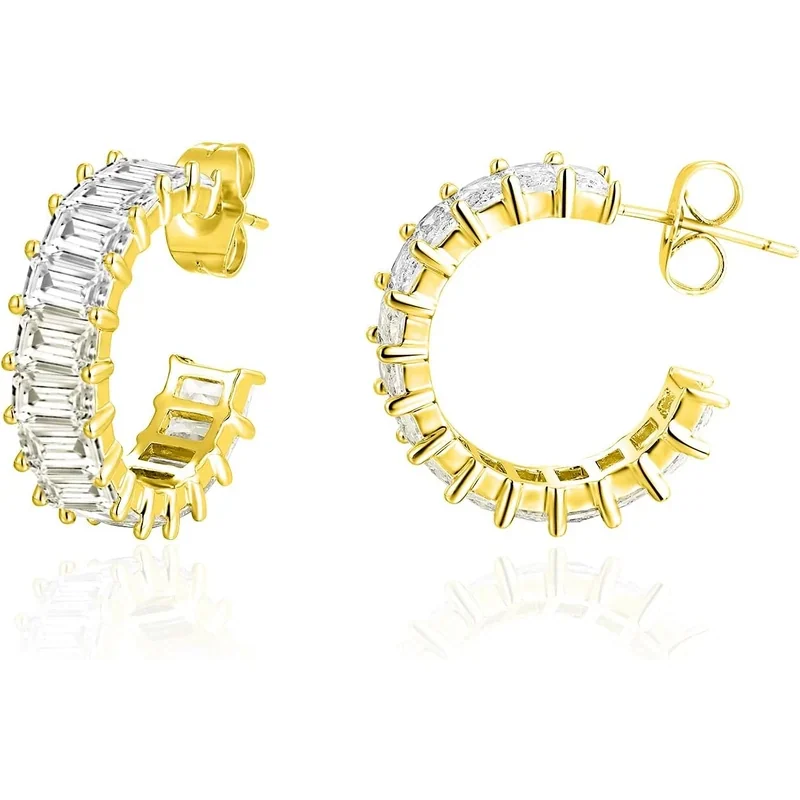
White gold / 3x4mm
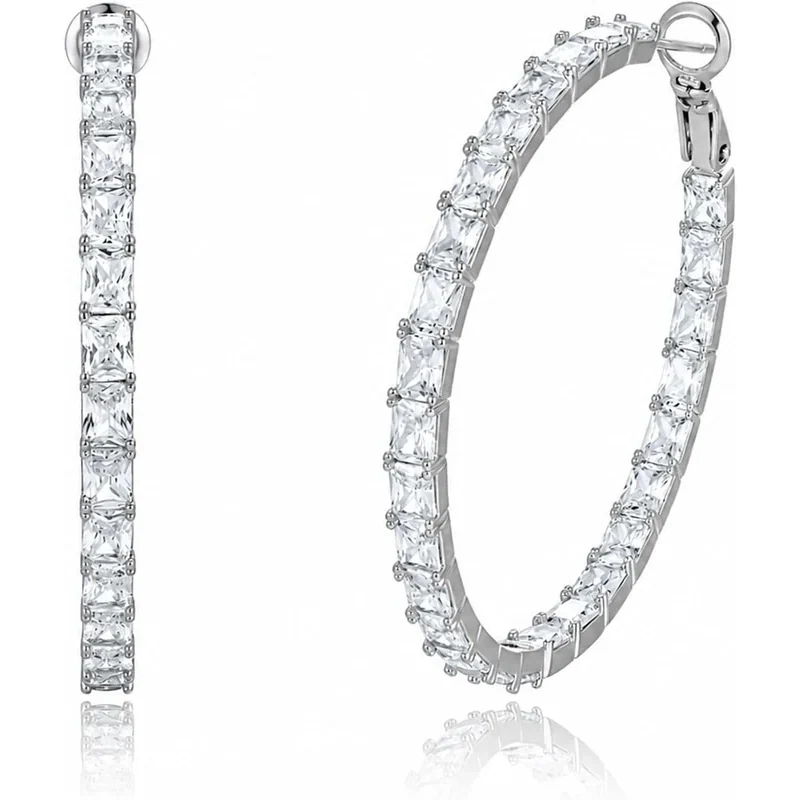
Inside-Out Baguette Hoops
$22.994.5(305)4.5 out of 5, 305 ratings3 options
See the Metals
If nickel bothers you
Nickel is a common cause of a rash from jewelry, and earrings are where most people first notice it, because the post sits in the skin all day. Dermatologists suggest choosing metals that are less likely to cause trouble.
To avoid exposure, only wear jewelry that is nickel-free, hypoallergenic, or made from metals such as surgical-grade stainless steel, 18-, 22-, or 24-karat yellow gold, pure sterling silver, or platinum.
Across the Gemsme range, the metal that touches your skin is named where we know it. Several of our stud and hoop sets use 316L surgical steel or 925 sterling silver posts. The maker describes some pieces as nickel-free, and we pass that on in the facts, in their words, not as our promise.
Plating over brass is not a barrier that lasts forever. When it wears through, the base metal touches the skin. If you react, stop wearing that piece.
- Watch the postsEarring posts and backs sit in the skin longest. Look for posts named as 925 sterling silver or 316L steel.
- Stop and seeIf a rash shows under a piece, stop wearing it. If the rash clears and returns when you wear it again, that metal is the likely cause.
- Ask a dermatologistA rash that blisters, gets infected or keeps coming back needs a dermatologist, not a new pair of earrings.
When to see a dermatologist
A rash that clears when you take a piece off and comes back when you put it on tells you something. A rash that blisters or keeps returning needs a doctor, not a new pair of earrings.
If you think you have an allergy, or if you have a rash that blisters, becomes infected, or comes and goes, see a board-certified dermatologist for the proper diagnosis.
-
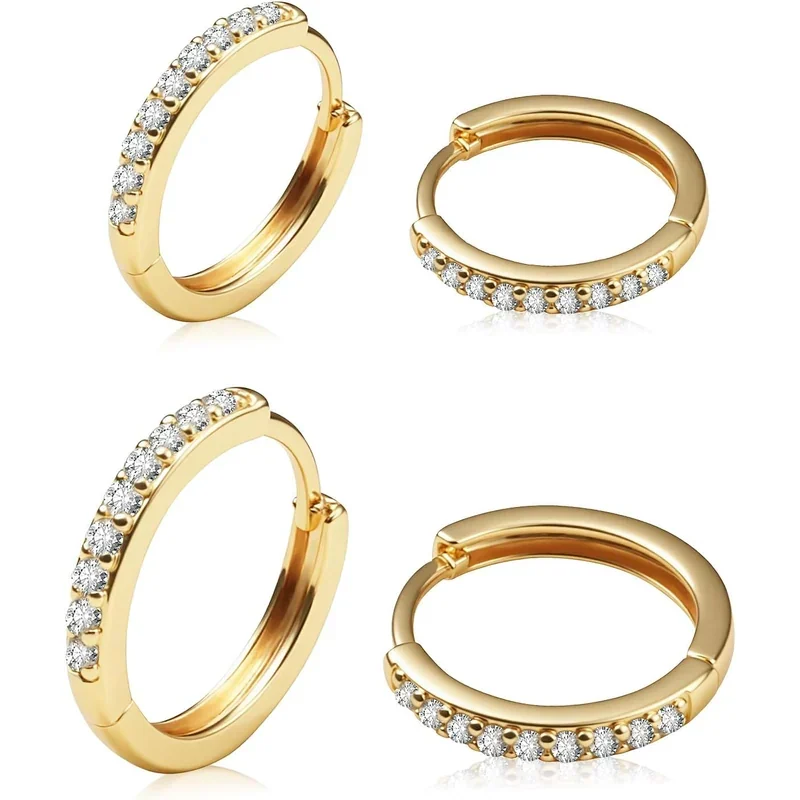
Gold / 10mm, 12mm
Gold Huggie Hoops, Two Pairs
From $13.994.3(37)4.3 out of 5, 37 ratings6 options
See the Metals -
-
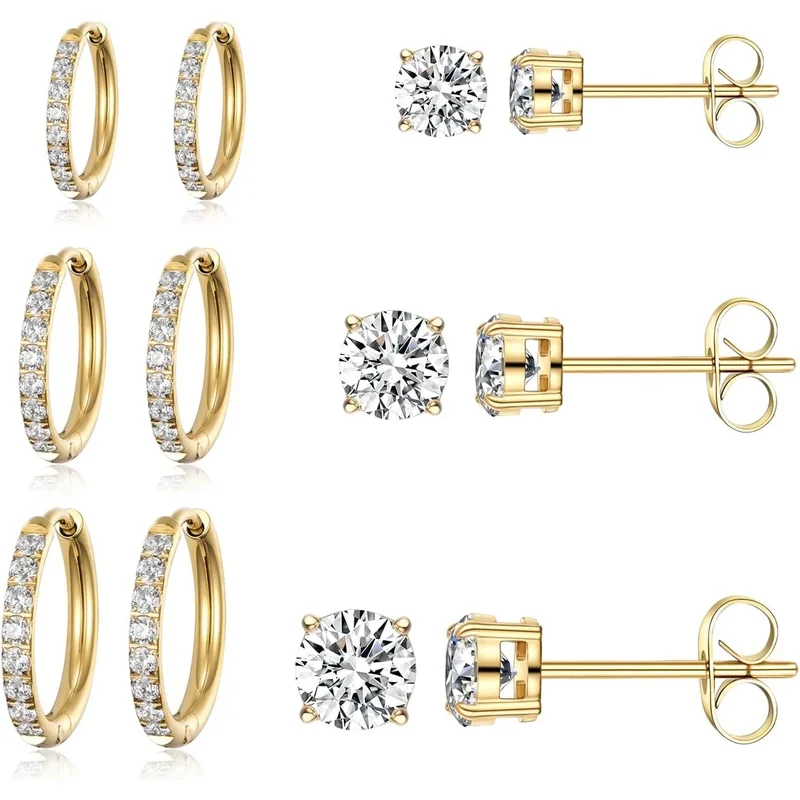
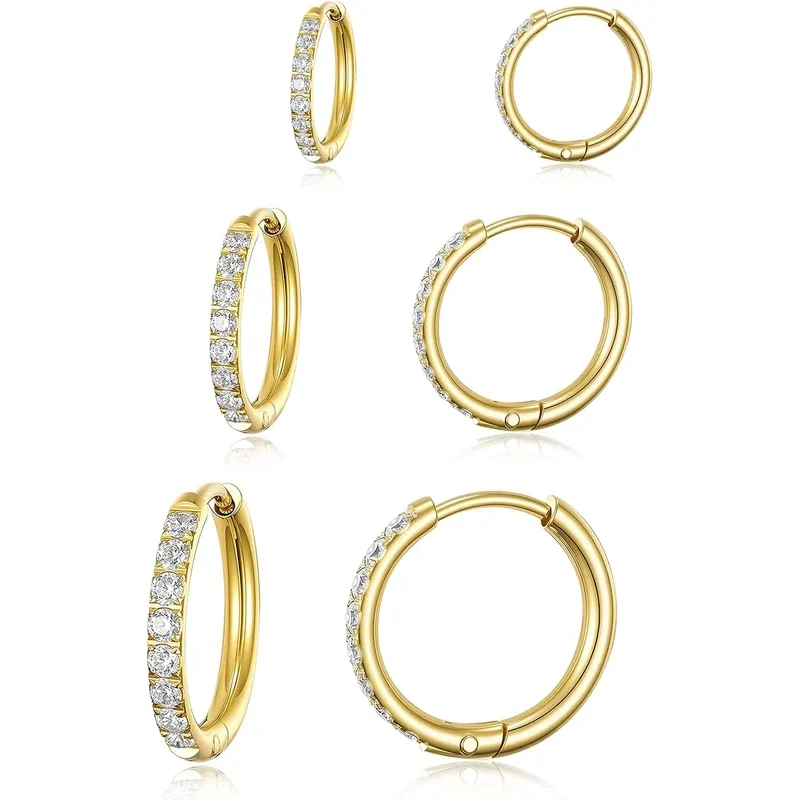
Gold / 8mm/10mm/12mm
Huggie Hoop Set, Three Pairs
From $12.774.3(22)4.3 out of 5, 22 ratings9 options
See the Metals -
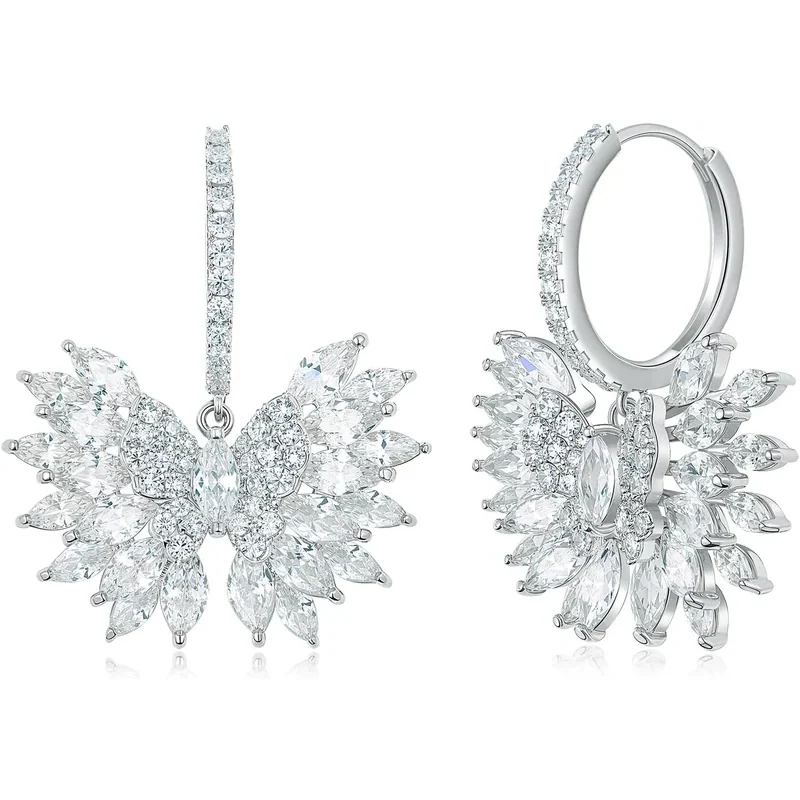
White gold
Butterfly and Flower Huggies
From $20.793.5(2)3.5 out of 5, 2 ratings6 options
See the Metals